
How to Stay Organized on the Road
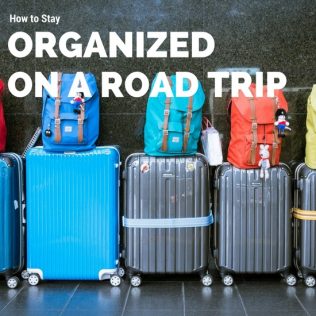
Ever arrived at your Airbnb after a long day of driving, only to discover your suitcase has exploded, turning the entire back seat into a chaotic mix of clothes, snacks, and rogue charging cables? Or perhaps you've spent a precious hour digging for that one essential item, delaying a much-needed coffee break and adding unnecessary stress to your adventure? Road trips are all about freedom and spontaneity, but a little pre-trip organization can be the difference between a dream vacation and a logistical nightmare.
A disorganized road trip can quickly derail even the best-laid plans. Beyond the sheer frustration of misplaced items, disorganization can impact safety (imagine fumbling for your phone in an emergency), inflate your budget (those last-minute convenience store purchases add up!), and erode your travel comfort. Effective trip planning and smart car organization are vital for staying sane, safe, and on schedule. Let's dive into proven strategies that transform your car into a comfortable, well-equipped basecamp, leaving you free to focus on the open road and the experiences that await.
Planning & Prep: Setting the Stage for Success
Before you even pack a single bag, the key to a smooth road trip lies in solid preparation. This goes way beyond just choosing your destination; it's about creating a framework that supports your entire journey.
Define Your Itinerary (Loosely): While spontaneity is fun, having a general route and planned stops is crucial. Outline your major destinations, potential overnight stays, and any must-see attractions. This doesn't mean you can't deviate, but it gives you a roadmap and helps you estimate travel times. Budget Wisely: Road trips can be surprisingly budget-friendly, but only if you plan. Estimate fuel costs, accommodation expenses, food budgets, and activity fees. Apps like Gas Buddy can help you find the cheapest gas along your route, promoting budget-friendly travel. Vehicle Maintenance Check: Before embarking on a long drive, get your car thoroughly inspected. Check tires, fluids, brakes, and battery. A pre-trip checkup can prevent costly breakdowns and ensure your safety. Consider carrying a basic emergency kit with jumper cables, a tire repair kit, and essential tools. Download Offline Resources: Relying solely on mobile data can be risky, especially in remote areas. Download offline maps using Google Maps or Maps.me, and save important documents like hotel confirmations and insurance information to your phone or tablet. These navigation tools are true lifesavers.
What are must-have items for a long road trip?
Creating a detailed packing list is essential. This list should cover clothing (consider layering for varying climates), toiletries, medications, electronics and chargers, entertainment (books, games, music), and essential documents. Don't forget reusable water bottles and coffee cups for eco-conscious travel and to minimize single-use plastic. Think about specialized items as well – a first-aid kit, sunscreen, insect repellent, and a small sewing kit can be incredibly useful.
Conquering Car Organization: Maximizing Space and Minimizing Mess
The interior of your car can quickly become a black hole for snacks, trash, and travel gear. Implementing clever car organization techniques is key to maintaining your sanity and ensuring easy access to essential items.
Utilize Car Organizers: Invest in backseat organizers, trunk organizers, and console organizers. These compartments provide dedicated spaces for everything from snacks and drinks to electronics and emergency supplies. Mesh pockets, adjustable dividers, and insulated compartments add functionality and prevent items from rolling around. Pack a Dedicated Trash Bag: A small trash bag or container is essential for keeping your car clean. Designate a spot for it and empty it regularly. This simple habit makes a huge difference in maintaining a tidy environment. Invest in a Car Vacuum: Consider a portable car vacuum cleaner for quick cleanups. Crumbs, dirt, and dust accumulate quickly, and a vacuum helps keep the interior fresh and presentable. Strategic Packing: Pack your luggage efficiently using packing cubes. These fabric containers compress clothing, prevent wrinkles, and make it easy to find specific items. Keep frequently used items like jackets, snacks, and maps easily accessible. Use the Roof:If you have a lot of gear, a roof rack or cargo carrier can free up valuable space inside the car. Just be mindful of height restrictions and fuel efficiency.
Packing Pointers: The Art of Efficient Luggage Management
Packing is where your trip planning meets reality. Follow these packing tips to avoid overpacking and ensure everything has its place.
The Kon Mari Method: Embrace Marie Kondo's folding method to maximize space and minimize wrinkles. Rolling clothes instead of folding them can also save space and reduce creasing. Create a Capsule Wardrobe: Plan your outfits in advance and choose versatile clothing items that can be mixed and matched. This minimizes the number of clothes you need to pack and ensures you have appropriate attire for various activities. Travel-Sized Toiletries: Decant your toiletries into travel-sized containers to save space and weight. You can find reusable travel bottles at most drugstores. Leave Room for Souvenirs: Remember to leave some extra space in your luggage for souvenirs and mementos you collect along the way. No one wants to arrive home with a suitcase bursting at the seams.
How do you stay organized on the road?
Maintaining organization on the road requires consistent effort and mindful habits. Establish a daily routine for tidying up the car, even if it's just for a few minutes. At each stop, take a moment to remove trash, reorganize belongings, and replenish snacks. Designate specific compartments for frequently used items, so you always know where to find them. Involve all passengers in the organization process, assigning tasks and responsibilities.
Travel Comfort & Emergency Preparedness: Ensuring a Smooth and Safe Journey
Beyond organization, prioritizing travel comfort and emergency preparedness enhances your overall road trip experience.
Comfort is Key: Invest in comfortable seat cushions, neck pillows, and lumbar support cushions. These accessories can make a long drive much more bearable. Consider bringing a travel blanket for added comfort. First-Aid Kit: A comprehensive first-aid kit is a road trip essential. Include bandages, antiseptic wipes, pain relievers, motion sickness medication, and any personal medications. Emergency Supplies: Pack an emergency kit with a flashlight, a multi-tool, a whistle, a blanket, and non-perishable food. Consider a portable power bank to charge your phone in case of a breakdown. Stay Hydrated: Always carry plenty of water. Dehydration can lead to fatigue and decreased alertness. Take Breaks:Plan regular breaks to stretch your legs, rest your eyes, and refresh your mind. Fatigue is a major cause of accidents on long drives. Aim for a break every two hours.
Family Travel Hacks: Keeping Everyone Happy on the Road
Traveling with kids requires extra planning and preparation. Keeping them entertained, comfortable, and well-behaved can be challenging, but these family travel hacks can make the journey smoother.
Entertainment is Essential: Pack a variety of entertainment options, including books, games, movies, and music. Download audiobooks or podcasts for the whole family to enjoy. Snack Attacks: Pack plenty of healthy snacks to avoid hunger-induced meltdowns. Granola bars, fruit, nuts, and sandwiches are good options. Plan for Rest Stops: Schedule frequent rest stops to allow kids to stretch their legs, use the restroom, and burn off energy. Parks and playgrounds are great places to take a break. Involve Kids in the Planning: Let kids help choose activities and destinations. This gives them a sense of ownership and makes them more excited about the trip. Create a Travel Journal:Encourage kids to document their experiences in a travel journal. This is a fun way to capture memories and keep them engaged.
Eco-Conscious Travel: Minimizing Your Impact on the Road
Road trips offer a unique opportunity to connect with nature, so it's important to travel responsibly and minimize your environmental impact.
Reduce, Reuse, Recycle: Bring reusable water bottles, coffee cups, and shopping bags. Avoid single-use plastics whenever possible. Recycle waste whenever you can. Support Local Businesses: Shop at local farmers' markets, restaurants, and stores. This supports the local economy and reduces your carbon footprint. Drive Responsibly: Maintain your vehicle properly and drive at a steady speed to improve fuel efficiency. Avoid unnecessary idling. Respect Nature: Stay on marked trails, avoid disturbing wildlife, and leave no trace behind.
Don't let the fear of disorganization hold you back from experiencing the joy of a road trip. With a little planning, smart packing, and a commitment to staying organized, you can transform your car into a comfortable and efficient travel companion. Embrace the open road, savor the freedom, and create memories that will last a lifetime. The adventure awaits – go explore!
Post a Comment for "How to Stay Organized on the Road"