
How to Stay Safe and Alert on Long Drives
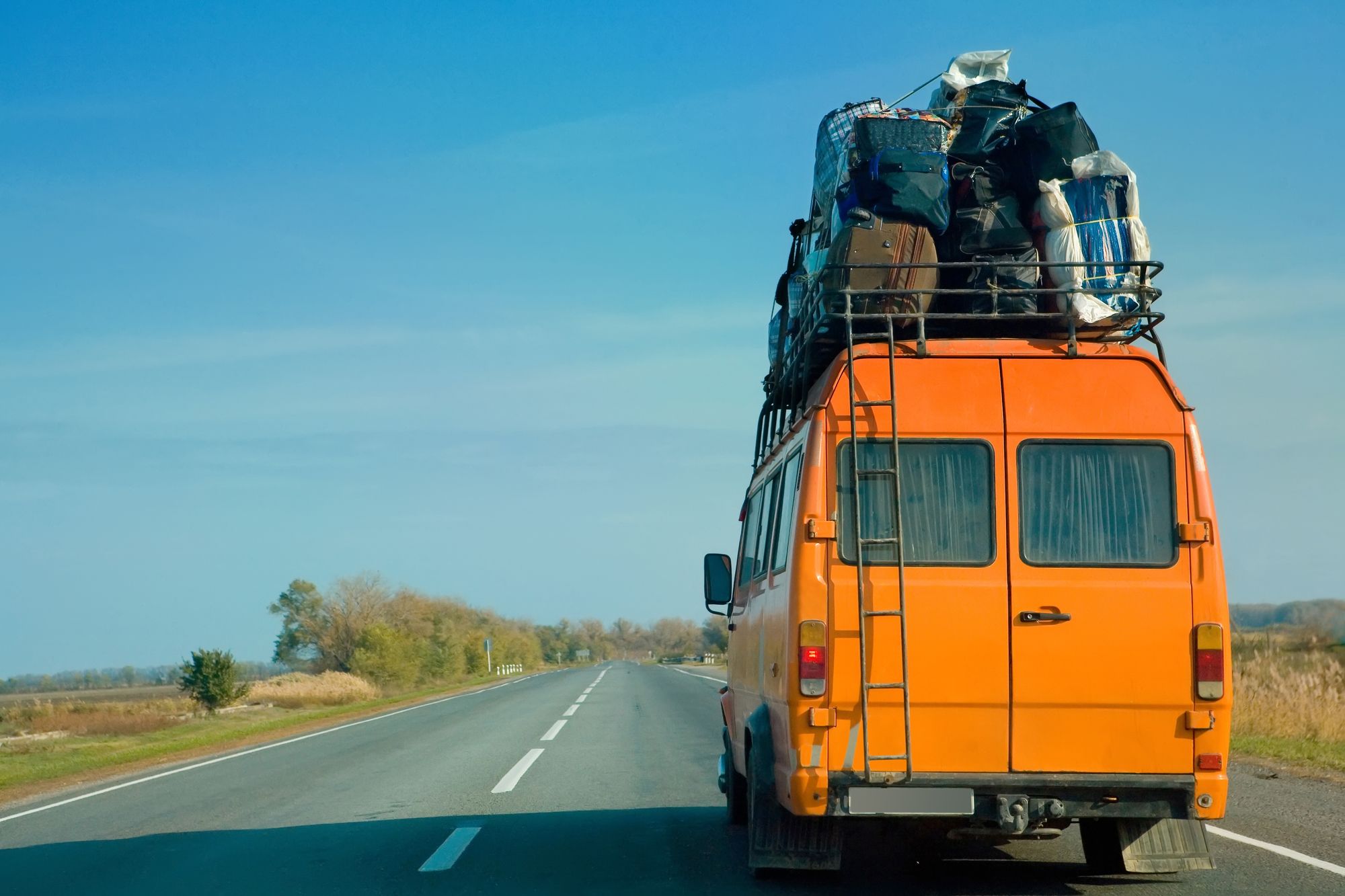
Ever been on a road trip where the scenery blurs into a monotonous streak, your eyelids feel heavier than lead, and the next rest stop seems an eternity away? We all know that feeling. Long drives, while offering freedom and adventure, also demand vigilance and planning to ensure your safety and enjoyment. They can quickly turn stressful when fatigue sets in, especially if you're juggling navigation, family needs, and the relentless miles stretching ahead.
Many people underestimate the physical and mental toll a lengthy drive takes. Proper preparation goes beyond simply gassing up the car and packing snacks. Overlooking crucial aspects like sufficient rest, car organization, or emergency preparedness can jeopardize your safety and the well-being of your passengers. Learning how to stay alert, comfortable, and prepared will not only enhance your road trip experience but potentially prevent accidents and keep you and your loved ones safe.
Pre-Trip Preparations: Laying the Foundation for a Safe Journey
The journey begins long before you turn the key in the ignition. Thoughtful trip planning significantly reduces stress on the road, allowing you to focus on driving safely and enjoying the scenery.
Route Planning and Navigation Tools
Don't just rely on your phone's GPS. While incredibly convenient, cellular service can be spotty in remote areas. Before you leave, thoroughly research your route, noting potential construction zones, scenic detours, and reliable rest stops. Invest in a dedicated GPS device as a backup, and download offline maps to your phone or tablet. Familiarize yourself with the route beforehand, paying attention to major intersections and alternative routes in case of unexpected delays. Consider apps that alert you to real-time traffic conditions, speed traps, and road hazards reported by other drivers. Remember to pack a traditional paper map as an old-school backup.
What are must-have items for a long road trip?
Road trip essentials go beyond just snacks and playlists. Think about comfort, safety, and practical needs. A well-stocked emergency kit is non-negotiable, including jumper cables, a first-aid kit, flares, a flashlight with extra batteries, a multi-tool, and a tire repair kit. Comfort items like blankets, pillows, and seat cushions can drastically improve the driving experience, especially for passengers. Don't forget charging cables for all your devices, and consider a portable power bank to keep them juiced up when outlets are scarce. Finally, pack a reusable water bottle to stay hydrated, and a cooler to keep drinks and snacks fresh.
Vehicle Maintenance and Emergency Prep
Before embarking on a long journey, get your car thoroughly checked by a mechanic. Oil changes, tire pressure, brake inspections, and fluid levels are crucial for ensuring your vehicle can handle the miles ahead. Carry essential tools for minor repairs, such as a lug wrench, a jack, and some basic hand tools. Familiarize yourself with how to change a tire – practice in your driveway before you need to do it on the side of the road. Keep a roadside assistance membership active, and know your policy's coverage. Ensure your spare tire is properly inflated and ready to use. Having these precautions in place can save you time, money, and stress in case of unexpected breakdowns.
Staying Alert Behind the Wheel
Combating fatigue is the biggest challenge of long drives. Employ these strategies to stay focused and energized.
The Power of Regular Breaks
Don't try to power through without stopping. Plan for regular breaks every two hours, or every 100 miles, whichever comes first. Get out of the car, stretch, walk around, and get some fresh air. Even a few minutes of movement can significantly improve circulation and alertness. Use these breaks to hydrate, refuel with healthy snacks, and take a quick power nap if needed. Rest stops are ideal, but consider scenic overlooks or roadside parks for a change of scenery. Set an alarm on your phone to ensure you don't overstay your break.
Strategic Snacking and Hydration for Energy
Avoid sugary snacks and energy drinks that provide a temporary spike followed by a crash. Opt for healthy, protein-rich snacks like nuts, seeds, fruits, and vegetables to maintain stable energy levels. Stay hydrated by drinking plenty of water throughout the drive. Dehydration can lead to fatigue and impaired concentration, so keep a water bottle within easy reach and sip on it regularly. Consider bringing electrolyte tablets to replenish essential minerals, especially during hot weather. Avoid heavy meals that can induce drowsiness; instead, opt for smaller, frequent snacks.
How do you stay organized on the road?
Car organization is essential for minimizing distractions and creating a comfortable driving environment. Designate specific areas for different items: a snack zone, a charging station, a trash receptacle, and a storage area for luggage and personal belongings. Use organizers and containers to keep things tidy and easily accessible. Keep essential items like maps, sunglasses, and phone chargers within reach of the driver. A well-organized car reduces clutter, minimizes distractions, and makes it easier to find what you need when you need it. Utilize backseat organizers that hang over the front seats to hold tablets, snacks, and other kid-friendly items for family travel hacks.
Prioritizing Comfort and Well-being
A comfortable driver is a safer driver. Make your road trip as enjoyable as possible to reduce stress and fatigue.
Optimizing Driving Posture and Seat Comfort
Adjust your seat for optimal driving posture. Ensure your back is properly supported, your knees are slightly bent, and your wrists are relaxed. Consider using a lumbar support pillow to maintain a healthy spinal alignment. Take advantage of seat warmers or coolers to regulate your body temperature. Adjust your mirrors and steering wheel to ensure a clear view of the road and comfortable hand positioning. Change your driving posture occasionally to prevent stiffness and fatigue.
The Role of Music, Audiobooks, and Podcasts
Curate a playlist of upbeat music to keep you energized and engaged. Avoid monotonous music that can lull you to sleep. Audiobooks and podcasts can also be excellent companions for long drives, providing intellectual stimulation and entertainment. Choose engaging content that keeps your mind alert and prevents boredom. Take breaks from listening to audio content to avoid overstimulation and allow your mind to rest. Download your audio entertainment ahead of time, in case you lose cell service.
Family Travel Hacks and Sharing the Load
Traveling with family requires extra planning and consideration. Divide responsibilities and ensure everyone stays comfortable and entertained.
Involving Passengers and Sharing Driving Duties
Don't shoulder the entire driving burden yourself. Share driving duties with other licensed and capable passengers. Switching drivers regularly allows everyone to rest and prevents fatigue. Involve passengers in navigation, route planning, and spotting points of interest. Engage in conversations to keep everyone entertained and alert. Give children responsibilities, such as keeping track of mileage or looking for specific landmarks. Encourage passengers to offer feedback on your driving and provide support.
Keeping Kids Entertained and Minimizing Distractions
Plan for entertainment to keep children occupied during long drives. Pack books, games, and movies. Download educational apps and audiobooks to keep them engaged and learning. Provide headphones to minimize noise distractions for the driver. Schedule frequent stops for restroom breaks and outdoor activities. Create a travel journal for children to record their experiences and observations. Prepare a bag of surprise toys and snacks to distribute throughout the trip. Remember that happy kids make for a much more relaxed and safe journey.
Budget-Friendly Travel and Eco-Conscious Driving
Road trips can be affordable and environmentally responsible.
Fuel Efficiency and Cost-Saving Tips
Drive at a steady speed and avoid aggressive acceleration and braking to maximize fuel efficiency. Maintain proper tire pressure and keep your car well-maintained. Use cruise control on highways to maintain a consistent speed. Pack light to reduce the weight of your vehicle and improve fuel economy. Plan your route to avoid unnecessary detours and traffic congestion. Use apps to find the cheapest gas prices along your route.
Eco-Conscious Travel Practices
Reduce your environmental impact by packing reusable water bottles, food containers, and shopping bags. Dispose of waste properly and avoid littering. Support local businesses and farmers markets along your route. Choose accommodations that prioritize sustainability. Consider carpooling or using public transportation for local excursions. Offset your carbon footprint by planting trees or donating to environmental organizations.
Road trips offer unparalleled opportunities for exploration and creating lasting memories. By prioritizing safety, comfort, and planning, you can ensure your journey is enjoyable and accident-free. Remember to stay alert, take regular breaks, and involve your passengers in the adventure. With a little preparation, your next road trip will be an unforgettable experience. Don't be afraid to veer off the main route and discover hidden gems along the way! Embrace the open road, but always prioritize your well-being and the safety of your passengers. Happy travels!
Post a Comment for "How to Stay Safe and Alert on Long Drives"